This group is for Unschooling Dads, Granddads, and Dads-to-be who have attended one of the past 3 Live and Learn Conferences OR who have spouses who attended one of these conferences. Other unschooling fathers (et al.) can also join the group through invitation. Our intention is to keep a running dialog and passion for unschooling our children between conferences.
What is the difference between unschooling and homeschooling? At one time they were just two terms for the same thing, so the question was like asking what the difference is between a car and an automobile. Today, homeschooling has remained a generic term while unschooling has come to refer to a specific type of homeschooling. So now the question is like asking what the difference is between a Ferrari and a car. Just what is it about unschooling that differentiates it from other types of homeschooling enough to warrant its own term?
A place for unschoolers to come together to discuss our adventures and experiences,share resources and information.
What does unschooling look like? Why do people unschool? This seasoned unschooler offers the encouragement to simply give unschooling a try, especially if your homeschooling attempts have proven to be unsuccessful or stressful.
Here you'll find lots of links, resources, and explanations of unschooling to help you decide if this method of education is right for you and your family. Unschoolers Online provides detailed and helpful information on everything related to unschooling.
One of the most important duties of parents is to help their children to discover and pursue new interests, retaining the love of learning that is almost universal in young children and almost universally extinct in conventionally educated adults. Standardised curricula, and the stultifying educational hoops that schoolchildren have to jump through, sabotage this aim. This can cause trouble for parents who have to satisfy other people ... that they are educating their children properly. Under pressure, they may slide into a "homeschooling" mentality that distorts and damages their children's education.
So what on earth is natural learning? Isn't all learning natural? What would you do different if you were following a natural learning approach? How can I pursue natural learning?
This list is a place where parents can come to understand and give value to our creative children as we home/unschool with them. The focus will be on discussing alternative ways (versus public school methods) to help our creative children learn which best suits their learning style and respects their complex personality traits, taking a look at creating a success-based learning environment that draws on the strengths of our creative learners while providing support-based opportunities to gently guide their intense natures.
Share successes and ideas and build a helpful, welcoming archive for the new unschoolers, the newly-unschooling, and the nicely unschooling.
To produce life-long learners, we need to show our children that learning is not just something that they get graded on or that only happens during certain hours of the day or certain times of the year. We need to help them hang on to the natural joy of learning that every child is born with, to help them see that learning new things is fun, and to help them realize that learning can take place anywhere and at anytime. Fun Books has put together a catalog of books, games, and other materials to help you in your efforts to produce life-long learners.
This is a list dedicated to achieving a deeper understanding of a Radical Unschooling lifestyle with young children. It is geared towards thoughtful discussion and exploration of what Radical Unschooling looks like in the early years, from toddlerhood to around age 8 or so. Experienced and new Unschoolers can discuss how they made the transition from peaceful parenting to Unschooling in daily practice, when that transition occurred and what benefits children gain by Unschooling from the beginning.
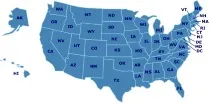
Are you unschooling in Pennsylvania? Are you a relaxed or eclectic homeschooler that would like to unschool? PA-Unschoolers is an inclusive community with unschooling as the focus.
Unschoolers meet to talk and share ideas at this vegsource.com message board.
Unschooling is trusting the learner to be in charge of his or her own learning. It is not a method of instruction we use on our children, but a process we adults go through to unlearn the lessons and undo the effects of our years of schooling.
Wondering why anyone would unschool their children? Well, here are lots of reasons why unschooling is a good choice. From the fun aspect, to the superior learning, to the avoidance of the unpleasant parts of school, this list gives you lots to think about if you are considering the unschooling approach to the education of your children.
This is a companion list to the website UnSchoolers Online. It is a safe place to openly discuss anything related to unschooling and our children.
This article features a look at several unschoolers, children--now adults--who were raised with a philosophy of child-led learning. They explain their thoughts on their childhood and discuss how the unique and sometimes radical way of learning that is unschooling shaped their decisions and choices as adults.
Unschooling is a word coined by negating the idea of schooling; it starts off with a negative definition. What, specifically, is it about schools that unschoolers want to do without?
Classical Lite is a group for families that like many parts of Classical or Charlotte Mason methodologies, but choose to have a less restrictive learning environment for their children. This list is for families who see the merits in both, Classical education AND Relaxed-Unschooling methodologies— families who wish to incorporate more of the later methods in their home or have children that learn best with Classical educational methods and the other family members are relaxed-unschoolers. Those who utilize child-led Unit Studies are also encouraged to join.
Feeling like you must be the only radical unschooler in the Christian faith? Tired of hearing those who claim to be Christian unschoolers discuss curriculum or how to make their kids do chores? Tired of hearing secular unschoolers say that you couldn't possibly exist? Look no farther! On this list there will be no talk of curriculum, spanking, chore charts, coercive limitations, forced respect, or anything else that doesn't jive with radical unschooling. This list is for discussing radical unschooling by people who already "get it" and want to connect with other radically unschooling Christian families.
According to John Holt, unschooling allows children the freedom to learn in the world on their own terms. He saw no distinction between learning and living a meaningful life. Learning is a natural process and works best when integrated into the spaces and activities of everyday life. This article takes a look at some of John Holt's philosophy of education and explains why unschooling is often the very best choice of educational model.
Are you radically unschooling in PA? Would you like to meet others who hold the unschooling philosophy and live it while still complying with Act 169? This list is open for all aspects of unschooling families in PA--anything is welcome for discussion as unschooling is living and learning.